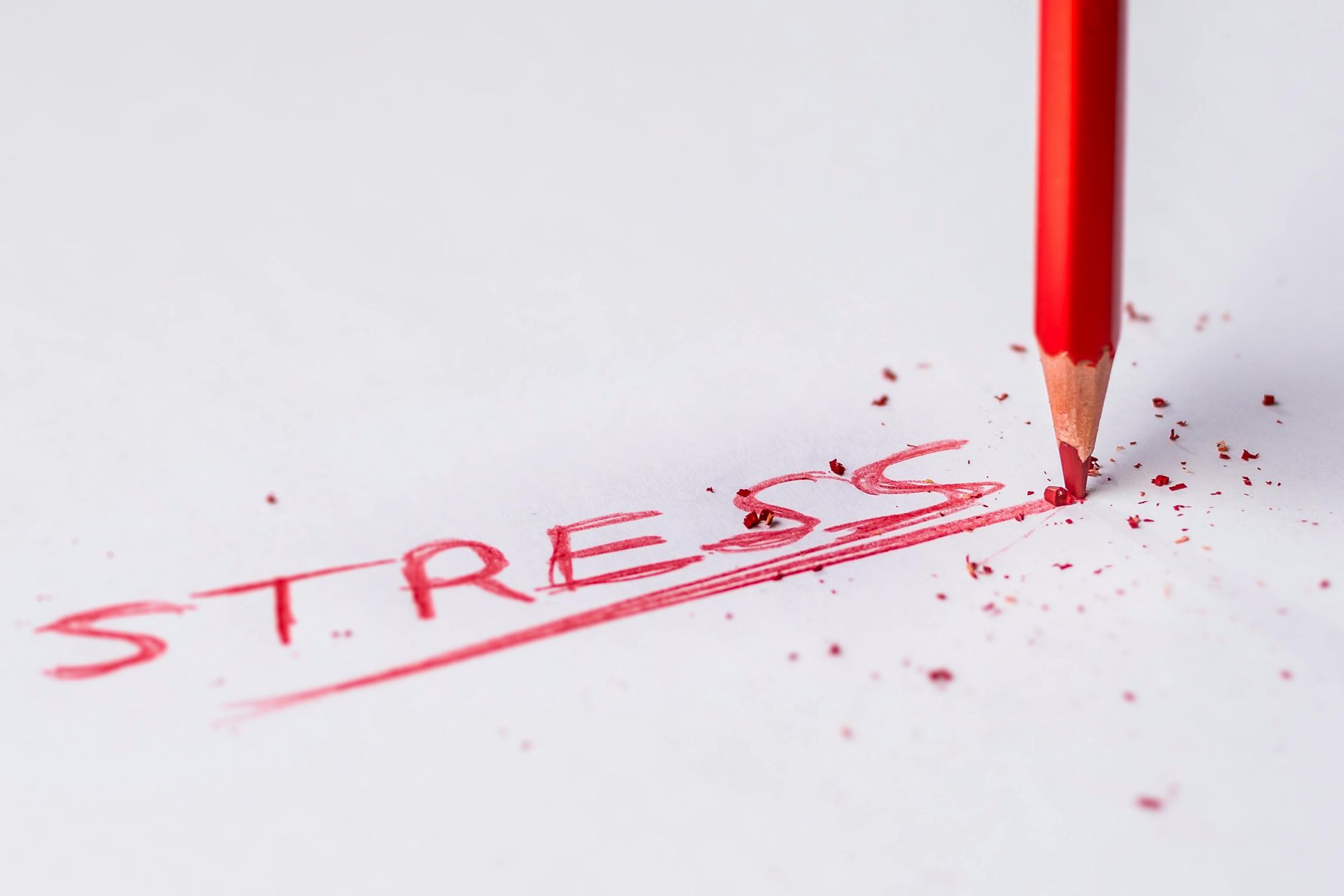

In August 2020, the U.S. Centers for Disease Control and Prevention (CDC) found that anxiety symptoms had tripled and depression had quadrupled compared to their 2019 report. The events of the past year were unprecedented, and so were their far-reaching effects on emotional and mental well-being.
In other words: employees today need mental health support more than ever. This presents an excellent opportunity for HR professionals to get involved and make a meaningful contribution. Due to the massive psychological strain employees faced over the past year, companies are increasingly taking action and recognizing how their employees’ overall well-being impacts the workplace.
The 2020 Mental Health Report
Honestly, a stronger focus on mental health in the workplace in the United States had been overdue long before 2020. However, global crises have brought this often neglected aspect of employee well-being the attention it rightfully deserves.
COVID-19 pandemic: Many employees likely experienced sleepless nights, worrying about their own health and that of their loved ones. And as if health concerns weren’t enough, they probably also had to deal with everything from grocery shopping to job and financial security.
Political turbulence: In the United States, 2020 brought a highly contested presidential election—a vote that 68% of adult Americans reported as a significant source of stress in their lives.
The merging of work and family life: Many people work from home, and some have partners who do the same – which completely disrupts the usual daily routine. Many parents have lost childcare or their children are learning at home.
The battle on the front lines: Employees in direct contact with customers are constantly under stress – due to long working hours, covering for sick colleagues, pandemic precautions, mask mandates, and new rules of conduct for customers. Added to this are feelings of isolation and a lack of appreciation.
Social Unrest: In light of concerns about racial injustice and political turmoil, which have led to divisions in private life, at work, online, and in communities across the country, 2020 seems to have brought conflict into all areas of our private and public lives. It was a year in which the fight for equality revealed painful realities and prompted all of us to rethink how we can create real change.
As HR and business experts, we understand and see the challenges that employees face every day. For some, the past year was one of the most exhausting, emotionally draining, and stressful of their lives. Even if we have defined what the "new normal" looks like for our companies, it will take time for individual employees to recover and find their new balance for the future.
The positive and negative sides
You know that employees cannot simply set aside their emotional burdens when they come to work; some may still be at home carrying these burdens around them while trying to concentrate. All of these burdens will definitely make your work more complicated, demanding, and important in the foreseeable future. With the right tools and the right mindset, the HR department can turn the challenges of 2020 into an opportunity to advocate for employees and find ways for their companies to better support the mental health of employees, which is essential for their success.
The bad news: It is unlikely that mental health has ever been as widely affected as it is now. A study conducted by the Boston University School of Public Health in April 2020 found that depressive symptoms were three times as severe as in 2018. "These levels were higher than after other major traumas such as 9/11, Hurricane Katrina, and the unrest in Hong Kong," said Catherine Ettman, the study's lead author.
The impact of an employee's mental well-being on their personal life and happiness alone should already be a cause for concern. But poor mental well-being also has serious consequences for businesses. A 2019 study found that 61% of respondents reported that their productivity was affected by their mental health. In addition, the American Psychiatric Association reports that "employees with untreated depression show 35% lower productivity, costing the US economy $210.5 billion annually through absenteeism, productivity losses, and medical costs." Poor mental well-being is therefore financially costly.
The good news: This is the ideal opportunity for HR managers and leaders to expand offerings that promote mental well-being. By doing so, you can mitigate the negative impacts of mental health issues on productivity. In addition, you improve your employer brand and corporate culture – 86% of employees consider it important that the company culture supports mental health.
Although harder to measure, the challenges of 2020 may have strengthened employees' emotional intelligence as well as their social and self-awareness. For example:
- They may return to their workplace with a stronger focus on inclusion and corporate culture.
- They will likely be more considerate of the health of their colleagues and stay home when sick.
- And in view of the challenges they had to overcome while working from home, employees may find it much easier to concentrate better and tune out the daily work routine when they return to the office.
Although these findings are qualitative in nature, they should by no means be dismissed as positive aspects of the past year.
The experiences with mental well-being in 2020 therefore hold both positive and negative aspects. What is crucial, however, is how HR managers and leaders deal with the given circumstances.
Opportunities for the HR Department to Support Employee Wellbeing
For some HR professionals and managers, now is the ideal time to justify the need to adjust offerings and budgets, thereby creating more scope for benefits that promote emotional and mental wellbeing. For others, especially those whose business results were heavily impacted by the pandemic, the only option may be to make the best use of existing offerings. Here are some suggestions for both scenarios.
Making the Most of Existing Mental Health Offers
There is always room in the budget for better and more helpful internal communication. You may offer more than your employees realize. Communicating the available offerings can make a big difference.
- Information about the benefits: Use emails, the internal company website, or company announcements to inform employees about mental health benefits. Explain which costs for therapy sessions are covered, how to find therapists within the network, what resources the employee assistance program offers, how to request mental health days off, and anything else that can help employees navigate the available services.
- A Culture of Compassion: A positive and understanding attitude toward mental health can go a long way in helping people get the support they need. When you communicate that your company cares about employees' mental well-being, it promotes a more compassionate work environment. Talk about how your company values encourage compassion, provide training for managers, and ensure that your values are actively practiced.
- Presenting the plan: The unknown creates uncertainty. Give your employees more security by providing them with an overview of the company's plans. Whether it's explaining the company's financial situation and direction, informing them about initiatives to promote equality, or explaining how you plan a safe return to the office after the pandemic – a behind-the-scenes look can provide a lot of calm and reassurance.
Changes to Consider
Although each individual faced personal challenges in 2020, we were all in the same boat. Therefore, now may be the right time to initiate organizational changes that better promote the mental well-being of employees. Every organization has different needs and shortcomings, but here are some changes you should consider:
- More flexibility in working hours or the option to work from home to promote employee well-being.
- Increased consideration of diverse, fair, and inclusive hiring practices.
Improved access to psychological support and an expanded range of services or better information about them. - Review of policies regarding illness and psychological stress to determine whether the desired outcomes in terms of mental well-being are being achieved.
- Adjustment or concrete development of corporate culture with a focus on supporting and valuing employees.
Improving mental well-being takes time, and HR managers and leaders certainly cannot solve all problems on their own. However, even small changes like clearer communication or making it easier to take time off to stay home and rest are important. Employees will notice your efforts to make improvements and feel better supported after a difficult year.
Review and Outlook
Even if most people are probably not grateful for the events of the past year, addressing the issue of mental well-being was long overdue, as mental and emotional health is essential for employee success. On the path back to normality, companies would do well if HR managers and leaders take the opportunity to shape the 'new normal' with a central focus on emotional and mental health in the workplace and the overall well-being of employees.
The profound psychological strain experienced by employees necessitates a sustained, strategic focus on mental health support. Addressing this challenge is not just compassionate, but a financial imperative, given the significant cost of lost productivity. For HR to effectively champion mental wellbeing and manage organizational change, efficient communication and consistent policy application are paramount. IceHrm supports this vital mission by centralizing HR processes. Its Benefits Management module can be used to clearly communicate and track access to mental health benefits and Employee Assistance Programs (EAPs) (Strategy 1). Furthermore, the Time and Attendance features allow managers to easily implement and track flexible working hours and requests for time off for rest (Strategy 4), ensuring policies are applied consistently and compassionately across the organization. By leveraging IceHrm, HR can operationalize support, helping employees find their new balance and fostering a resilient, psychologically safe work environment.