
ELv2 License Explained: What It Means for Self-Hosted HR Users
Reading Time:
Reading Time:

In the shifting landscape of 2026, the term "Open Source" is no longer the catch-all it once was. As cloud giants began "strip-mining" open-source projects—taking the code, hosting it as a paid service, and contributing little back—software creators had to evolve. Enter the Elastic License 2.0 (ELv2).
If you are a CTO or HR Director looking at self-hosted HR software, the ELv2 is likely the foundation of your agreement. It isn't "Open Source" by the strict definition of the OSI, but it is Source-Available. This distinction is the key to why platforms like IceHrm choose it: it protects the product while giving you, the user, almost total freedom.
The Elastic License 2.0 was created by Elastic (the makers of Elasticsearch) to be as permissive as possible while blocking a single specific behavior: commercial freeloading. For a self-hosted HR user, this means you get the best of both worlds. You get the transparency and auditability of open-source code, combined with the professional support and sustainability of a commercial product.
"The ELv2 is designed to be the 'Goldilocks' of licensing—not too restrictive like the GPL, but not so open that a competitor can take the software and sell it back to you as a service."
For 99.9% of companies, the ELv2 functions exactly like a traditional open-source license.
You can download the software, install it on your private servers, and use it for your entire global workforce. There are no "seat limits" or "per-employee" restrictions built into the license itself. Whether you have 10 employees or 10,000, your right to use the software internally is protected.
Unlike proprietary "black box" software, the ELv2 allows you to open the hood. You can modify the source code to add a custom payroll integration, change the UI to match your brand, or build a unique reporting module.
You can redistribute the software as part of your own internal tools or packages, provided you don't break the three simple rules of the license.
The ELv2 is a "protectionist" license. Its restrictions are aimed at other software vendors, not at HR departments.
In 2026, the trend in enterprise software is leaning toward "Source-Available" models like ELv2 for several strategic reasons:
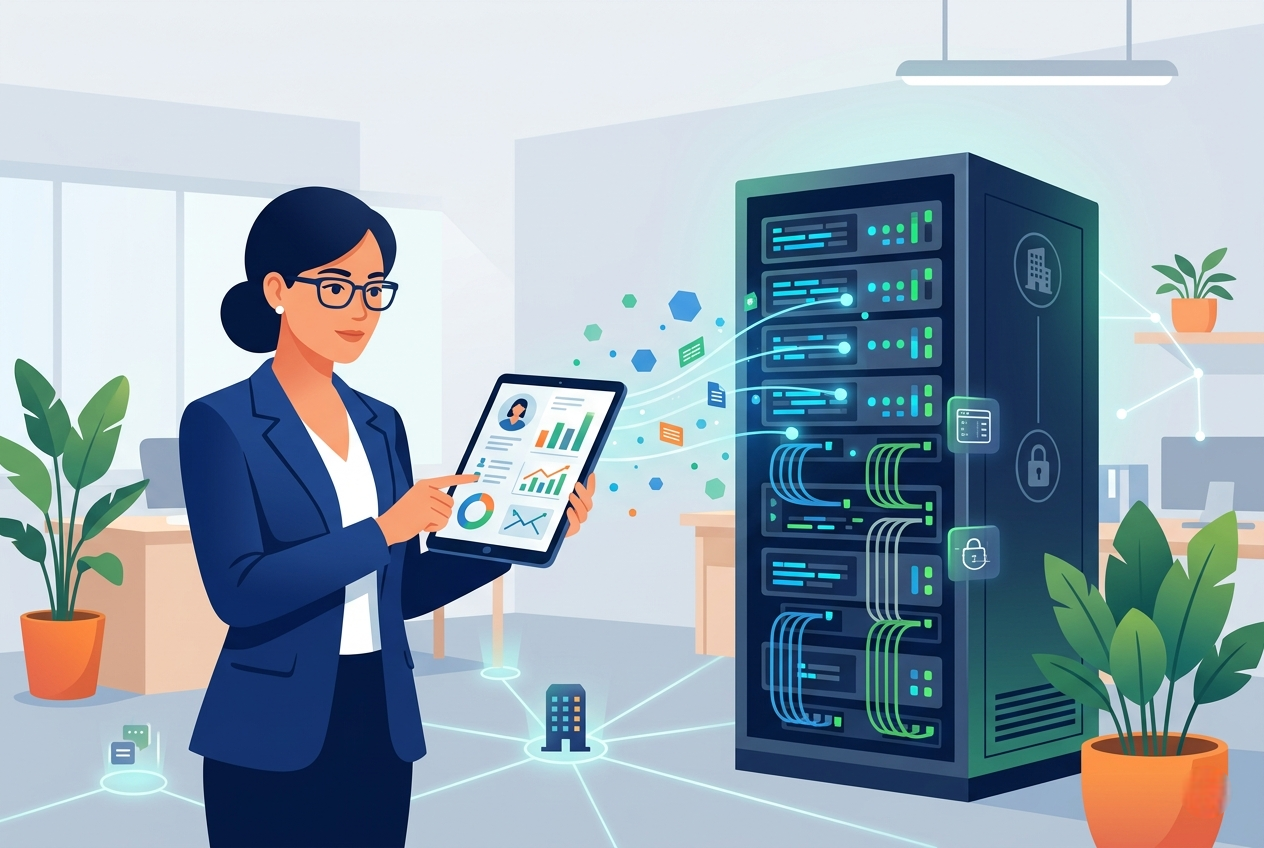
In a SaaS-only model, you have to trust that the vendor is securing your data. With an ELv2 licensed product like IceHrm, your security team can perform a line-by-line audit of the source code. You don't have to take the vendor's word for it—you can see the security for yourself.
If a traditional SaaS company goes bankrupt, their servers go dark, and your HR data disappears. With a source-available license, you have the code on your own hardware. Even if the vendor ceases to exist, your HRIS keeps running.
Because ELv2 allows for unlimited internal use, it pairs perfectly with flat-fee pricing. When you purchase IceHrmPro, you aren't just buying a subscription; you are buying a license to run the code for your entire organization, regardless of how many people you hire.
To understand where ELv2 sits, you have to look at its neighbors:
IceHrm uses a hybrid approach to give users maximum flexibility:
By choosing ELv2 for the Pro version, IceHrm ensures that you can self-host your system with total confidence. You get the power of a commercial HRIS with the freedom of an open-source architecture.
If you prefer to focus on HR rather than server maintenance, you can opt for managed hosting, which provides the ELv2-licensed software on a secure, pre-configured cloud environment managed by the experts.
If your company values Control, Privacy, and Scalability, the ELv2 is the ideal licensing model. It removes the risk of being trapped in a closed system while ensuring the software you rely on is professionally maintained and sustainable.
Take the next step in software ownership:
Does your organization have a preference for open-source over proprietary software, or are you primarily focused on finding a system that supports self-hosting?