Switching HR Systems: Complete Migration Playbook
Reading Time:
Reading Time:

The decision to switch HR systems is often born out of frustration—perhaps your current SaaS provider just hiked their per-user fees again, or your team is drowning in manual workarounds because your legacy software can't handle modern shift rotations. But moving from one platform to another is like performing a heart transplant on your organization: it requires precision, timing, and a rock-solid survival plan.
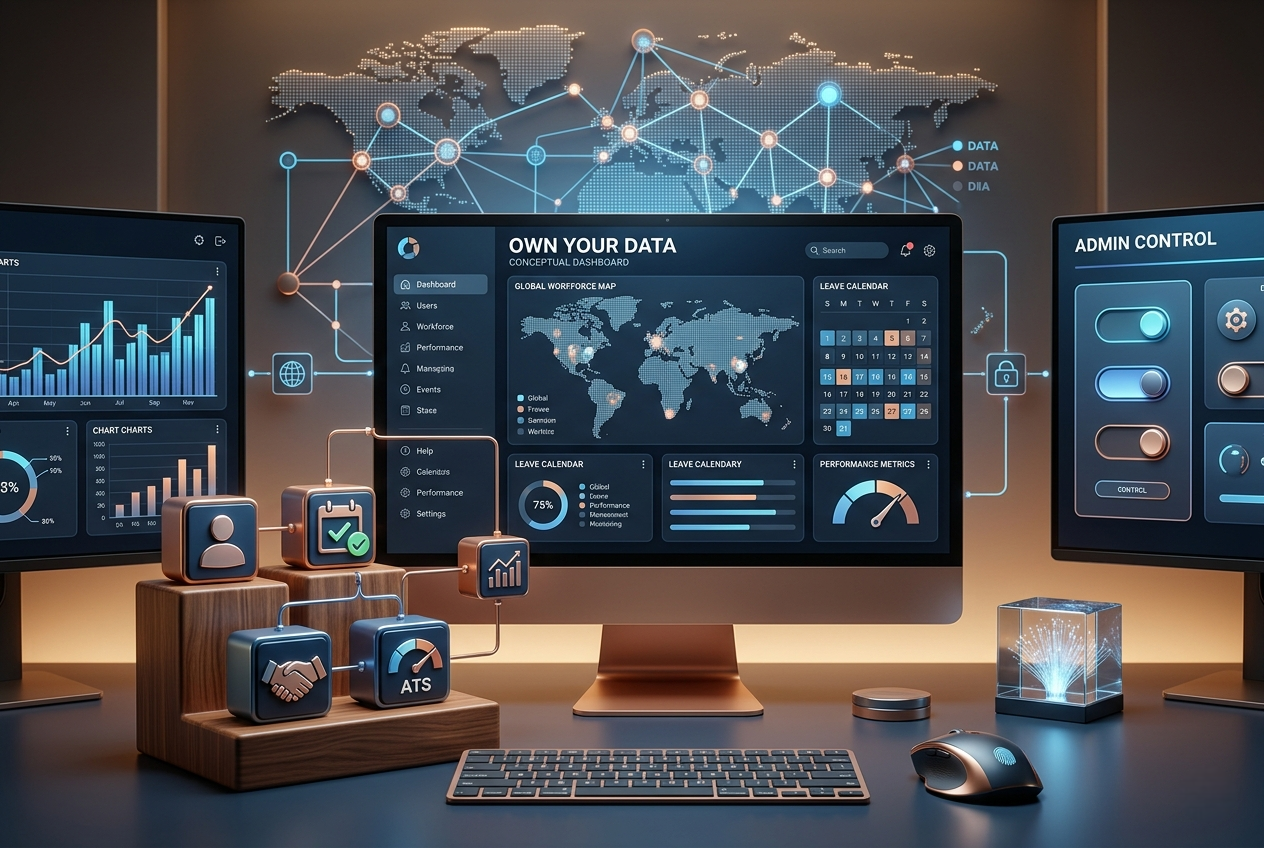
In 2026, the migration landscape has shifted. We are no longer just moving data from "Old Cloud" to "New Cloud." We are seeing a massive movement toward corporate Data Sovereignty, where companies are actively reclaiming their employee records from expensive monthly subscriptions and transitioning them into self-hosted, perpetual environments.
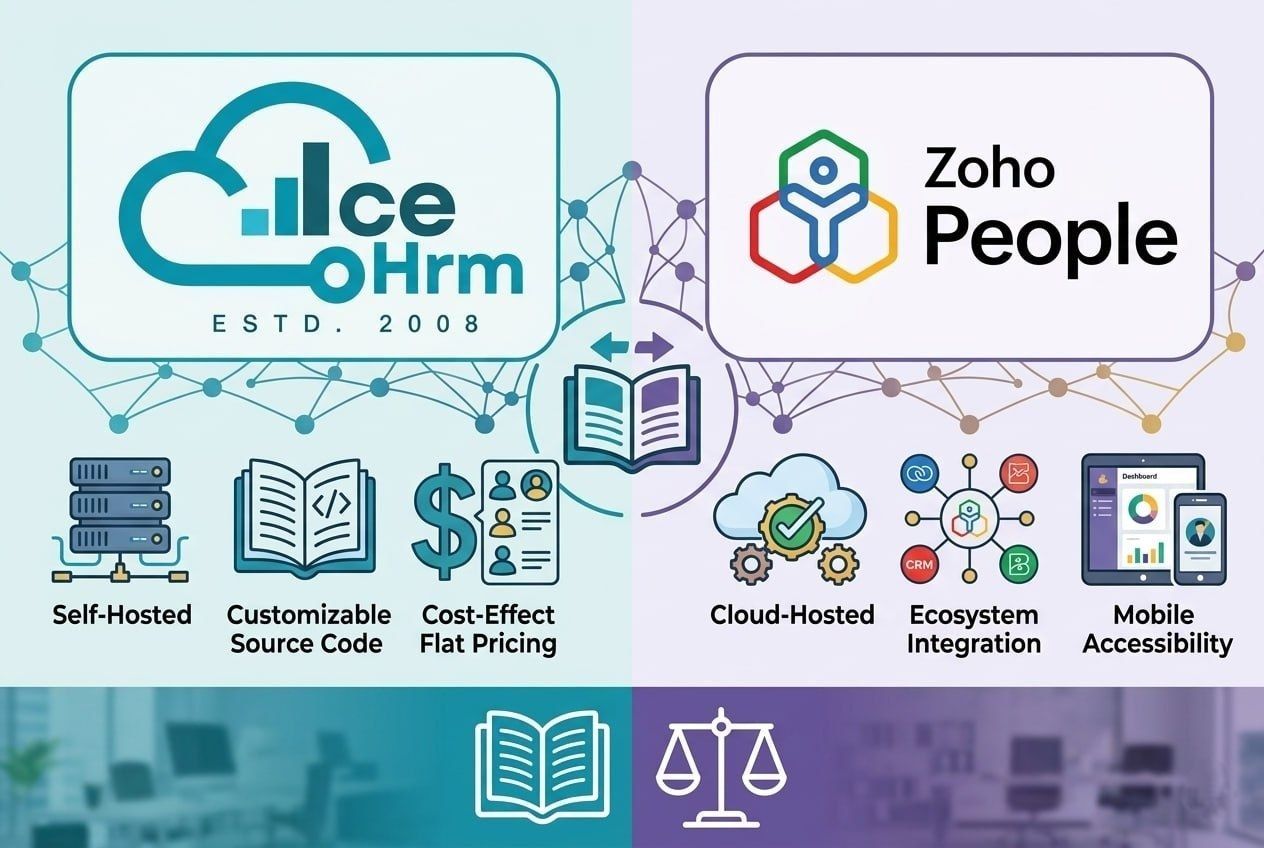
Whether you are moving toward a flat-fee model like IceHrm Core HR Software or transitioning between enterprise SaaS giants, this comprehensive HRIS migration playbook serves as your architectural blueprint for a seamless transition.
The biggest mistake in executing an HR system migration plan is "lifting and shifting" bad data. If your current system has three different ways of spelling the "Accounting" department or includes records of employees who left five years ago, your new environment will be broken on day one.
"A new HRIS is a fresh start. If you migrate 'garbage data' into a clean system, you haven't solved your problem; you've just automated the chaos."
The Data Sanitation Checklist:
There are three main ways to execute the switch. Your choice depends on your organization's risk tolerance and the size of your team.
You turn off the legacy system on Friday night and launch the new platform on Monday morning.
You migrate Employee Information Management and your Leave Management System first, then transition your Payroll Software Modules three months later.
You process your payroll cycle in both systems simultaneously for two consecutive months. If the numbers match down to the last cent, you officially "cut the cord" on the old vendor.
This is where the actual technical heavy lifting happens. You need to map the fields from your old system to the backend architecture of your new one.
If you are moving to a customizable Open Source HRMS platform, you hold a distinct architectural advantage: direct database access. Unlike restricted SaaS APIs, you can utilize expert Enterprise HR Data Migration Services to write custom scripts that pull every byte of historical records without paying hidden gateway extraction fees.
Infrastructure Tuning for 2026:
If your migration path leads to a high-performance IceHrmPro License, ensure your production environment (AWS, DigitalOcean, or On-Premises) is fully optimized before beginning imports:
Payroll is the one area where an oversight is not an option. A single migration error can lead to missed mortgage payments for your staff and legal liabilities for your board.
A perfect technical database migration is a failure if your employees don't know how to log into the portal. Modern employee expectations demand a mobile-first, intuitive experience from day one.
The Communication Timeline:
"Change management is 10% software and 90% psychology. People don't resist the new system; they resist the feeling of being incompetent during the transition."
Once the records are verified and the team is trained, your "Hyper-Care" monitoring phase begins.
When evaluating your options, remember that the true cost of an HRIS migration isn't just the onboarding effort—it is the long-term ROI of the infrastructure you choose to live in.
Transitioning to a sovereign, flat-fee HR architecture represents the highest long-term strategic value. It transforms a complex, one-time data migration effort into a lifetime corporate asset that eliminates software subscriptions permanently.
Ready to secure your employee records and eliminate your expanding headcount tax? Explore IceHrm Pro or Start Your 15-Day Free Trial Today.